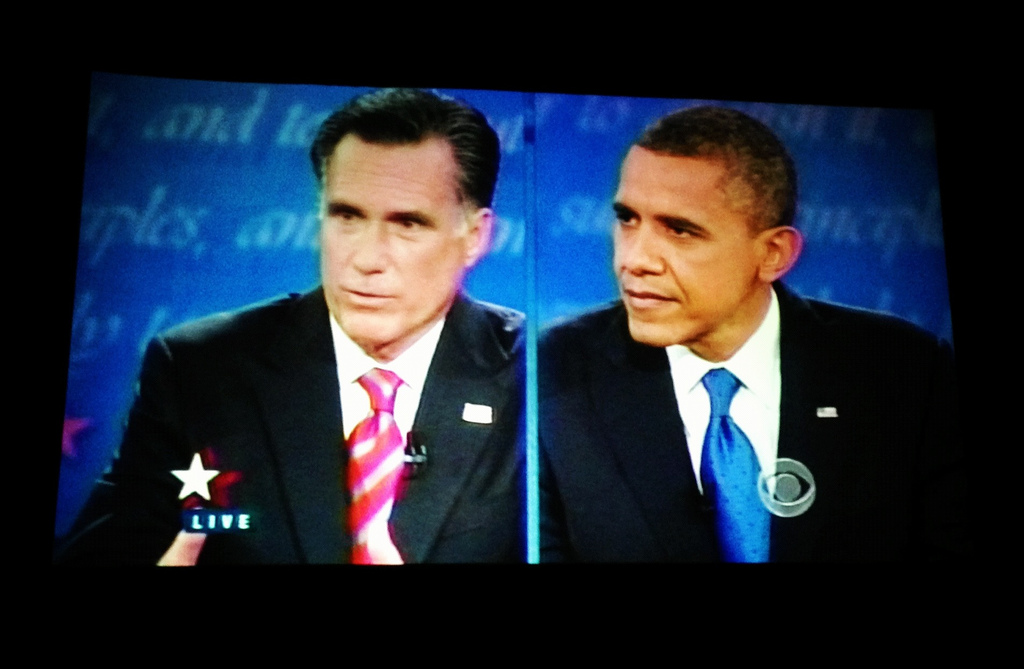
Hillary Clinton in Singapore: US is putting economics at the center of its foreign policy

Hillary Rodham Clinton spoke in Singapore on Saturday, telling her audience at Singapore Management University that with the war in Iraq over for the U.S. military and the war in Afghanistan winding down, US foreign policy in the second Obama term will emphasize economic solutions to strategic challenges over military might. The US secretary of state cited Singapore as an example of an emerging power that is prospering because of its GDP, not the size if its army.

“Today the non-stop flow of people, goods, and capital through this small nation is proof that a country does not need to be big to be mighty, to be respected, to be a real leader,” reads the text of Clinton’s prepared remarks. “Every country wants to do business in Singapore, so every country has a stake in cultivating good relationships with Singapore.

“With only 1/60 of the population of the United States, Singapore is our 15th largest trading partner. More than 2,000 American companies base their regional headquarters here. Two-way trade exceeded $50 billion for the first time last year. And U.S. direct investment surpassed $116 billion over the last decade. That makes Singapore’s security and stability a vital interest for the United States. This connection between economic power and global influence explains why the United States is placing economics at the heart of our own foreign policy. I call it economic statecraft.” Continue reading
Obama visit stirs hope for an open Myanmar

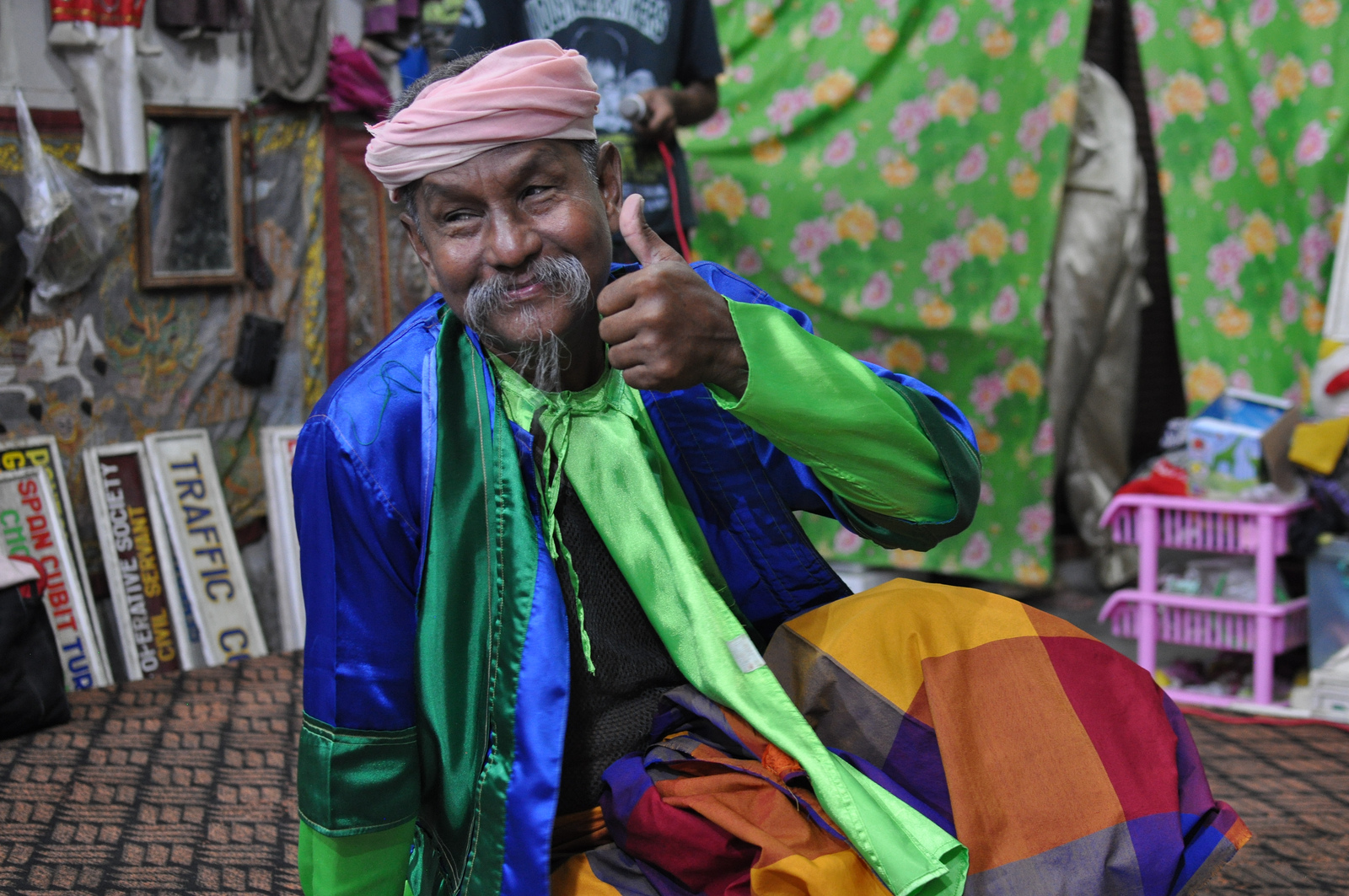
Comedian Par Par Lay, a former political prisoner under Burma’s military regime. (Photo: flickr/scotted400)

President Obama comes to Myanmar on Monday with the country at a crossroads, poised for a huge transition into what some consider the next Asian economic frontier. After five decades of military rule and international pariah status, Myanmar (also known as Burma) shows signs of becoming a politically open society and an emergent economic powerhouse, with major corporations and investors looking to capitalize on the expected boom.

One Singaporean I spoke with, a businessman who travels there regularly, sees Myanmar, a nation of 60 million, as the center of gravity for the Asian economy in a decade’s time, in part because of its strategic location between India and China. No country is better physically situated to capitalize on its vast wealth of natural resources, including petroleum, natural gas, timber, tin, fisheries, and the potential to again become one of the world’s top rice exporters.

Others see Obama’s visit in highly political terms, as another move in the pivot toward Asia and a strategy designed to check an increasingly assertive China and its sway over Myanmar as the latter seeks new openings to the West. Obama’s November 17-20 Southeast Asian tour also includes stops in Cambodia and Thailand, with Myanmar the trip’s historic highlight, the first visit by a sitting American president and a clear signal of US engagement and encouragement for its democratic advances. In Yangon, Obama will meet two of the dominant players in Myanmar’s democratic changes — reformist President Thein Sein, who took office last year, and pro-democracy opposition leader Aung San Suu Kyi, whose release from house arrest and election to parliament is a highly visible symbol of the new openness. Continue reading

Why they love us (or at least Obama)

(Photo: flickr/Tyler Driscoll for Obama for America)

International polls leading up to Tuesday’s election showed extremely strong global support for President Obama over Republican challenger Mitt Romney. A poll for the BBC World Service showed Obama beating Romney in 20 of 21 countries; other polls showed similar results.

To the crowd watching election returns at the American Club in Singapore, reasons for that support included Obama’s international ties dating back to his youth, a general preference for political continuity, and Obama’s willingness to engage in constructive dialogue with players on the global stage.

Obama won praise for backing away from predecessor George W. Bush’s militaristic approach to foreign policy, for working to rebuild America’s stature overseas, and for avoiding the kind of reckless tough talk that Romney had for China.

Expatriate Americans understood the closeness of the race in terms of a Red State vs. Blue State smackdown, but struggled to explain to non-Americans why the race was close at all. Continue reading

Sandy and the price of gridlock

(Photo: flickr/Steve Rhodes)

As a lifelong resident of the U.S. eastern seaboard until moving to Singapore a few weeks ago, I took the early reports about Hurricane Sandy in stride. After all, this was hurricane season, we usually have some sort of weather event on the East Coast. Besides, I hadn’t been glued to CNN or any other Western-focused news outlet; I had been watching the news and events of my new surroundings in Southeast Asia.

Then people here in Singapore starting tell me they were so sorry for what was happening in the U.S. Alarmed, I started Skyping and emailing family and friends and checking the newscasts. Sure enough, I was wrong to tune out. Soon my daughter would be fleeing her apartment in Brooklyn for safer ground; a college friend in lower Manhattan lost power as we Skyped. The deadly “superstorm” was to wash away much of my childhood stomping grounds on the Jersey Shore, and has my adopted hometown of Boston feeling like it dodged a bullet but may not be so lucky next time. (A friend from high school, Kevin Coyne, a journalist who teaches at Columbia, wrote a moving piece on the storm’s aftermath here).

This was a week before the presidential election. Up until then, the issue of climate change and what to do about it never came up in the three presidential debates, nor the vice presidential debate, nor the campaign in general. This despite 2012 seeing one of the hottest summers and worst droughts on record, leading to deadly wildfires and crop damage that cost the American economy billions of dollars. Continue reading

Farming up

Singapore shows smart land use planning by building up — proof that you don’t need to create suburban sprawl to grow. Now the island nation has its first vertical farm. See the story and video from Channel NewsAsia.

(Photo: Olivia Siong, Channel NewsAsia)

Colorful colonial-style landmark in Singapore

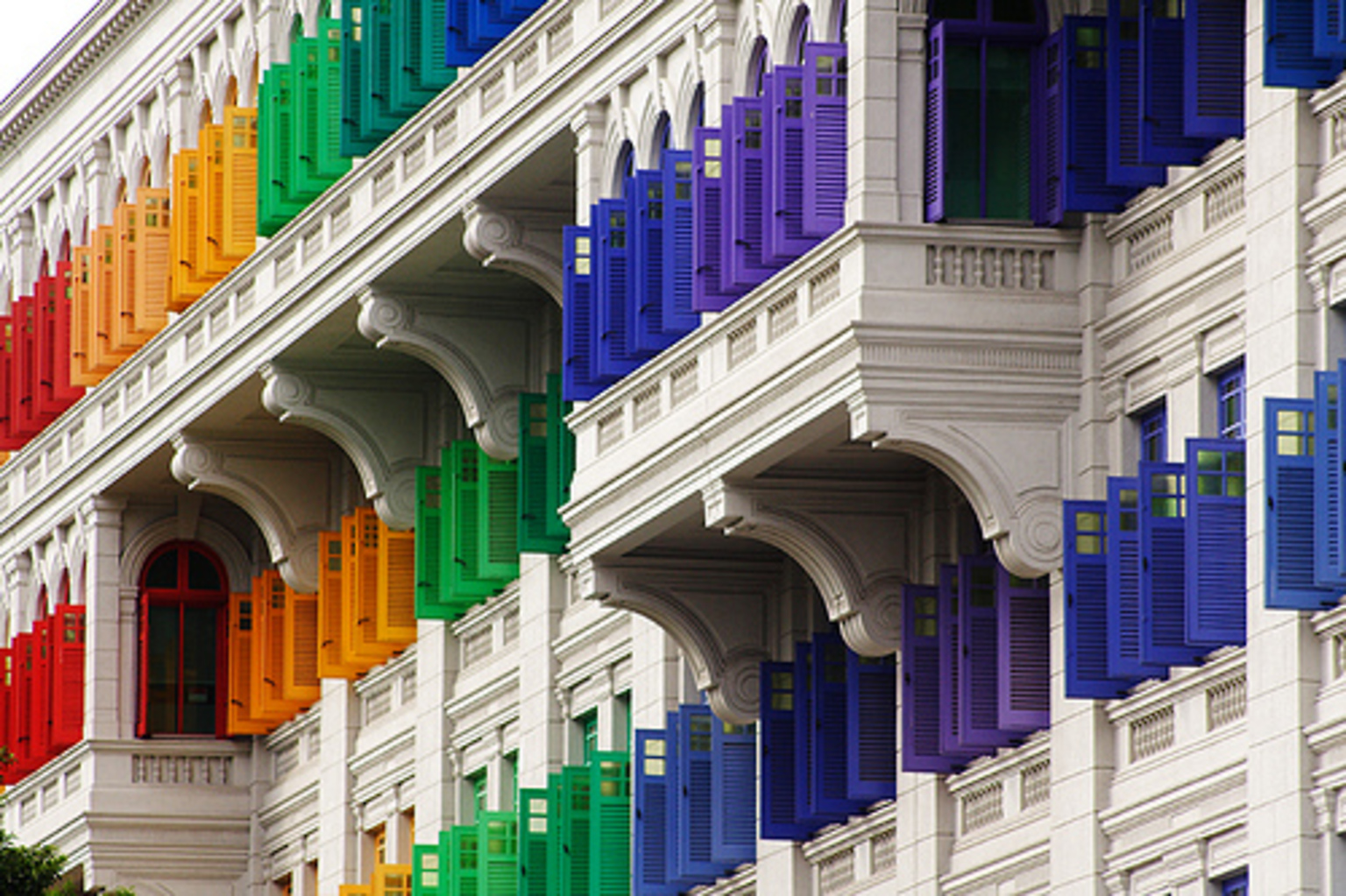
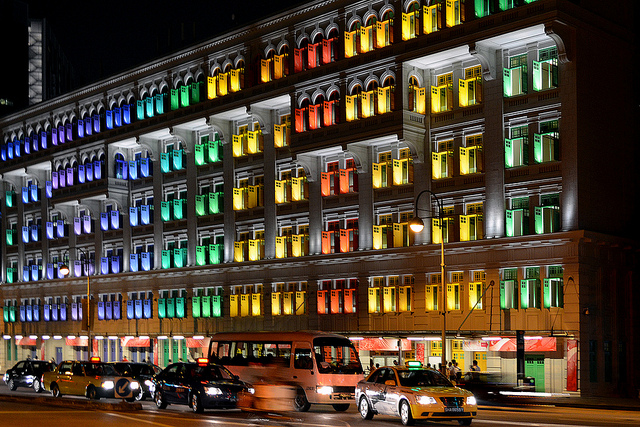
The beautiful MICA Building in Singapore, home to the Ministry of Information, Communications and the Arts, with its 927 colored windows painted in the shades of the rainbow, reflecting Singapore’s multicultural heritage. The colors gradually intensify as the eye moves up to highlight the cantilevered balconies. Formerly the Hill Street Police Station, the six-story neo-classical style building was the largest government building upon its completion in 1934 and considered a modern skyscraper at the time. Today, of course, it is dwarfed by real skyscrapers. (Top photo Singapore Tourism Board; bottom photo flickr/chooyutshing).

My final editorial for Spare Change News

First Person: A Paper With A Future. Like any good Greater Bostonian, I always dutifully bought each new issue of Spare Change News when it came out every other Friday. Jesse, my Spare Change vendor who sells the paper in Court Square, not too far from the State House in Boston, was a very nice guy. He was big on the mission of the paper and appreciative of the opportunity to sell it. Continue reading …

The Aug. 24-Sept. 6 issue of Spare Change News is now available

The August 24- September 6, 2012 edition of Spare Change News, the Cambridge, MA-based street newspaper, is available in print (PDF format here) and online at www.sparechangenews.net.

Spare Change News writer Noelle Swan delves into the untold history of women’s boxing in “Grand Champ of Women’s Boxing,” about a Massachusetts fighter who took on the all-male boxing establishment to open a door for women.

Don’t miss an in-depth interview with Nobel Prize-winning economist Joseph Stiglitz on Occupy, the Tea Party and the 99 percent from the International Network of Street Papers.

Read about outgoing Editor-In-Chief Thomas Benner’s personal experience with Spare Change News from his days as a customer to his year leading the newsroom in “First Person: A Paper with a Future.”

Meet our new Editor-in-Chief, the Rev. Osagyefo Sekou, and his ambitious plans for the next phase of Boston’s 20-year-old street newspaper.

Coming up in our Sept. 7 issue: Cornel West, The Spare Change News Interview

The Grand Champ of Women’s Boxing: A Massachusetts fighter took on the all-male boxing establishment to open the door to first-ever women’s Olympic boxing


A sneak preview from the next issue of Spare Change News. This, and an interview with Nobel Prize-winning economist Joseph Stiglitz on Occupy, the Tea Party and the 99 percent, will be featured in our next issue. Top photo: Gail “The Champ” Grandchamp of North Adams, Mass., (yes, her real name) took on the all-male boxing establishment and delivered the legal KO that opened the door to this month’s first-ever women’s Olympic boxing competition. Below, Claressa Shields of the U.S. standing with her gold medal during the presentation ceremony for the Women’s Middle (75kg) gold medal boxing match at the London Olympic Games.

Testing, Testing … HIV, and what’s new with Stephen King?

The latest issue of Spare Change News (PDF) features a look by writer Noelle Swan at new legislation aimed at streamlining and normalizing HIV testing. Testing, Testing … HIV tells the story of a Kimberly Wilson, an HIV-positive woman who waited for years for her doctors to give her an HIV test, despite her repeated requests.

Writer Patty Tomsky reflects on the past and present work of Stephen King
in The Once and Future King: Fan Boy and Photo-Essayist, Who Knew?

Be sure to check out Just Don't Go, James Shearer’s column on the Chick Fil-A debacle.

Or read us online at http://sparechangenews.net/